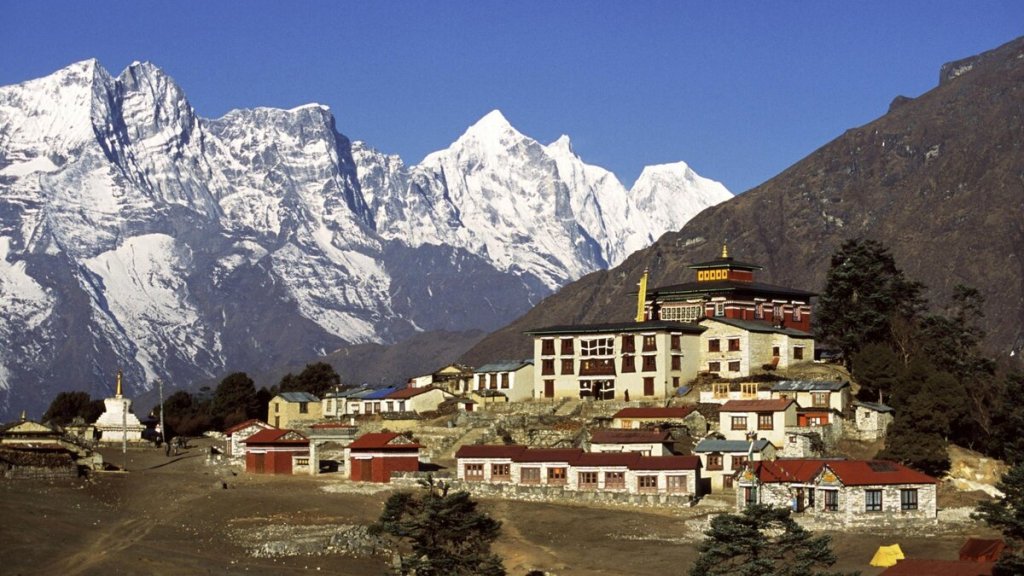
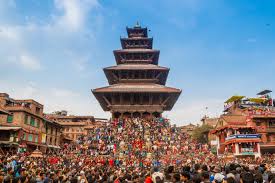
What is Kathmandu Valley: Kathmandu Valley lies at the crossroads of ancient civilizations of the Indian subcontinent and the broader Asian continent, and has at least 130 important monuments, including several pilgrimage sites for Hindus and Buddhists. There are seven World Heritage Sites within the valley.It is located at Bagmati Pradesh, Nepal. Historically, the valley and adjoining areas made up a confederation known as the Nepal Mandala. Until the 15th century, Bhaktapur was its capital, when two other capitals, Kathmandu and Lalitpur (Patan), were established. The Kathmandu Valley is the most developed and populated place in Nepal. The majority of offices and headquarters are located in the valley, making it the economic hub of Nepal. It is popular with tourists for its unique architecture. The rich culture that includes the highest number of jatras (street festivals) in Nepal. The valley itself was referred to as “Nepal Proper” by British historians.
কাঠমুন্ডু উপত্যকা সম্পর্কে বিস্তারিত প্রবন্ধ বাংলায় জানতে নিম্নের লিংকে ক্লিক করুন: https://iamnrdurjoy.wordpress.com/2020/12/14/kathmanduvalley-bangla/
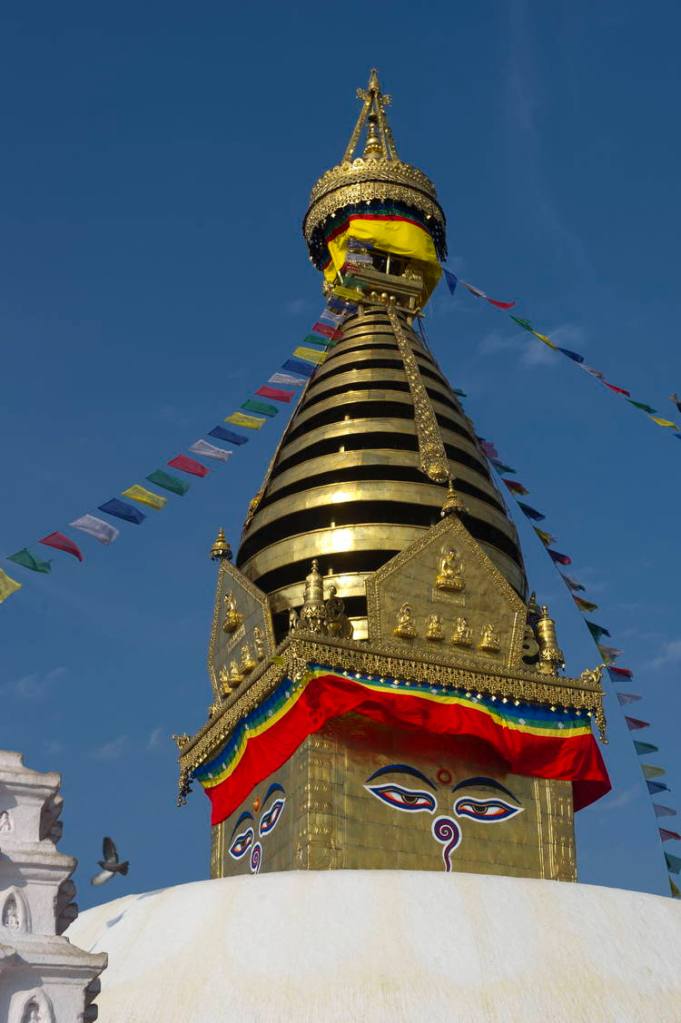
© TTF, Casper Tybjerg
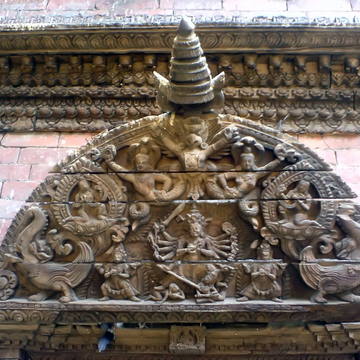
Attracts ©UNESCO, Eric Sasson
History of Kathmandu Valley: The Kathmandu Valley may have been inhabited as early as 300 BCE, since the oldest known objects in the valley date to a few hundred years BCE. The earliest known inscription is dated 185 CE.
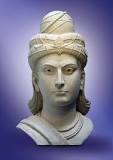
The oldest firmly dated building in the earthquake-prone valley is over 2,000 years old. It is said that four stupas around the city of Patan have been erected by a Charumati, a purported daughter of the Maurya emperor Ashoka, in the third century BCE, attest to the ancient history present within the valley. As with the tales of the Buddha’s visit, there is no evidence supporting Ashok’s visit, but the stupas probably date to that century.
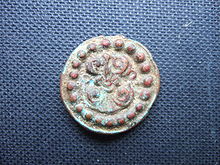
The Licchavis were the next rulers of the valley and had close ties with the Gupta Empire of India. The Mallas ruled the Kathmandu Valley and the surrounding area from the 12th until the 18th century CE.
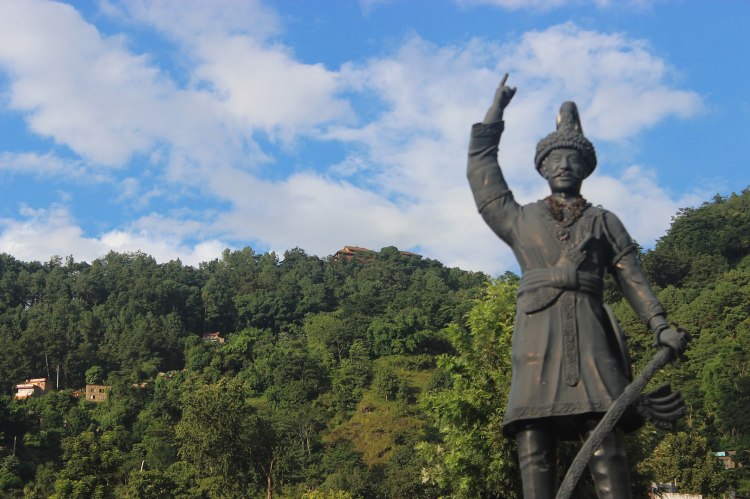
© Raajiv Kilana Shrestha – Own work, CC BY-SA 3.0, https://commons.wikimedia.org/w/index.php?curid=35602310
The Shah dynasty of the Gorkha Kingdom under Prithvi Narayan Shah conquered the valley as he created present-day Nepal. The victory of his was the first victory of Vallely. The Newars are the indigenous inhabitants and the creators of the historic civilization of the valley. Their language is today known as Nepal Bhasa. They are understood to be the descendants of the various ethnic and racial groups that have inhabited and ruled the valley in the two-millennium history of the place. In today’s Valley Newars architecture, art can be seen. The valley’s trademark is the multiple-roofed pagoda which may have originated in this area and spread to India, China, Indochina and Japan. At present, people from other parts of Nepal tend to migrate to the valley for a better life due to its high level of cultural and economic development. Even with urbanization taking place, the Newars have sustained their culture in Kathmandu Valley.
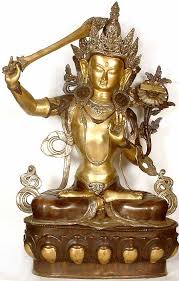
Manjushri God with his Chandraharash sword 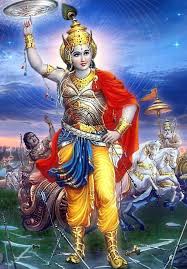
Krishna, the god of Hinduism, with his SUDARSHAN chakra
Kathmandu Valley in Mythology: According to Swayambhu Puran, the Kathmandu Valley was once a lake, deemed by scientists as Paleo Kathmandu Lake. The hill where the Swayambu Stupa rests had lotus plants with flowers in bloom. One story says that the God Manjusri cut a gorge at a valley called Kashapaal (later called Chobhar) with a sword called Chandrahrasha and drained away the waters in order to establish a habitable land. According to Gopal Banshawali, Krishna cut the gorge with his Sudarshana Chakra to let the water out. He then handed the drained valley to the Gopal Vansi people, who were nomadic cow herders.
Geography of Kathmandu Valley: Kathmandu valley is bowl-shaped. Its central lower part stands at 1,425 metres (4,675 ft) above sea level. Kathmandu valley is surrounded by four mountain ranges: Shivapuri hills (at an elevation of 2,732 metres or 8,963 feet), Phulchowki (2,695 metres or 8,842 feet), Nagarjun (2,095 metres or 6,873 feet) and Chandragiri (2,551 metres or 8,369 feet). The major river flowing through the Kathmandu Valley is the Bagmati. The valley is made up of the Kathmandu District, Lalitpur District and Bhaktapur District covering an area of 220 square miles (570 km2).The valley consists of the municipal areas of Kathmandu, Patan, Bhaktapur, Kirtipur and Madhyapur Thimi; the remaining area is made up of a number of municipalities and rural municipalities (in Lalitpur district). The valley is a cultural and political hub of Nepal. The Kathmandu valley was accorded the status of a World Heritage Site by UNESCO in the year 1979.
Present situation of Kathmandu Valley: This valley hosts a UNESCO World Heritage Site with seven preserved locations: the centers of the three primary cities, Kathmandu Hanuman Dhoka, Patan Durbar Square and Bhaktapur Durbar Square, the two most important Buddhist stupas, Swayambhunath and Boudhanath and two famous Hindu shrines, Pashupatinath temple and Changu Narayan.
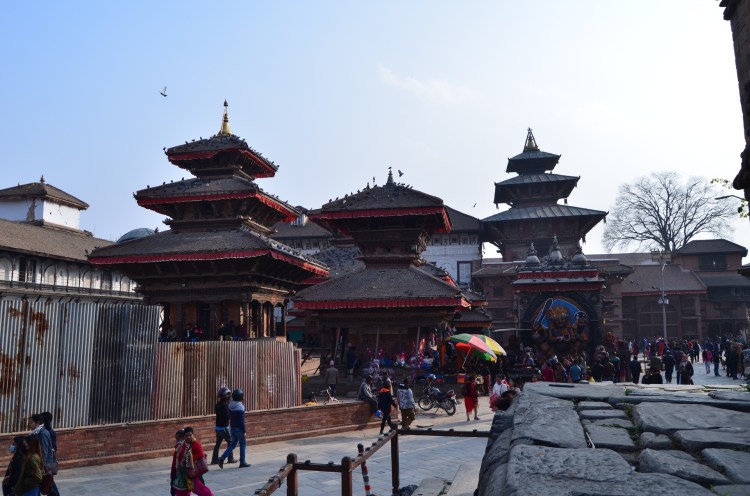
Kathmandu Hanuman Dhoka 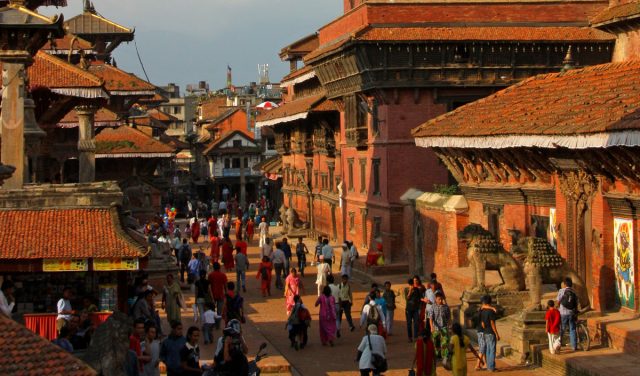
Patan Durbar Square 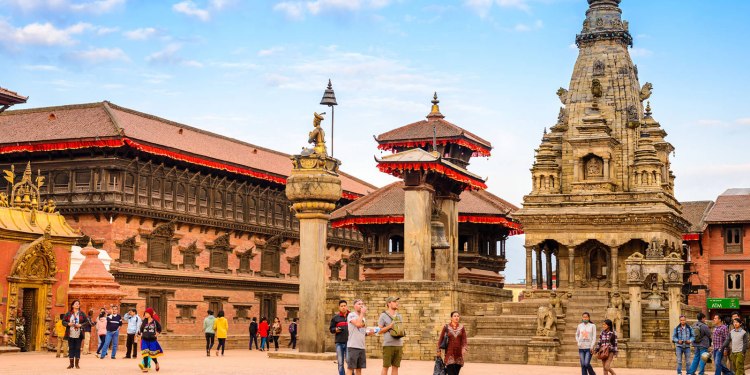
Bhaktapur Durbar Square
In 2003, UNESCO listed the sites as being “endangered” out of concern for the ongoing loss of authenticity and the outstanding universal value of the cultural property. The endangered status was lifted in 2007.
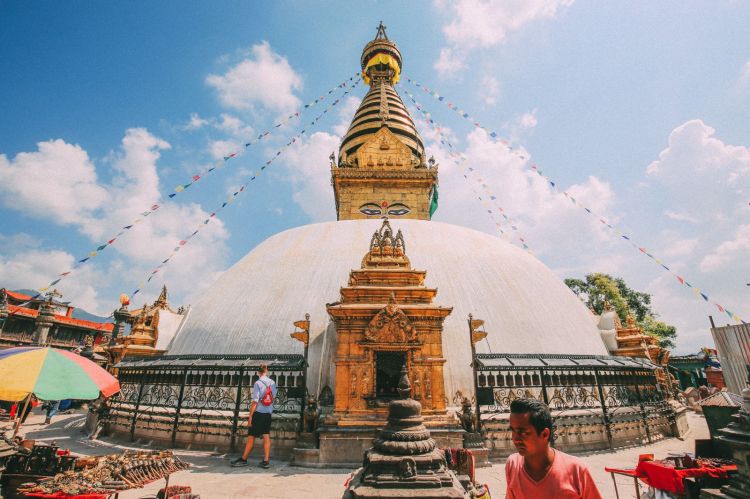
Swayambhunath Buddist Temple 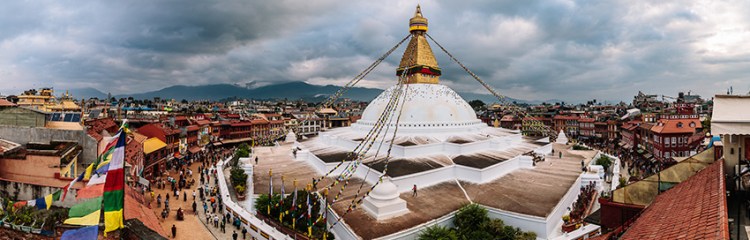
Boudhanath Buddist Temple 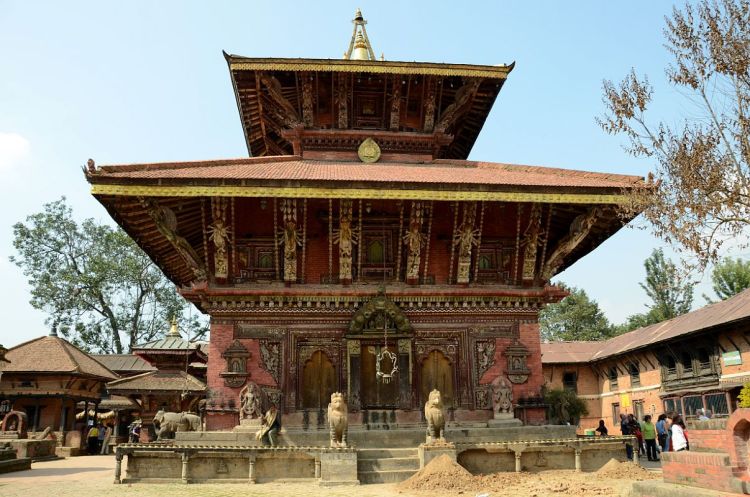
Changu Narayan Hindu Temple 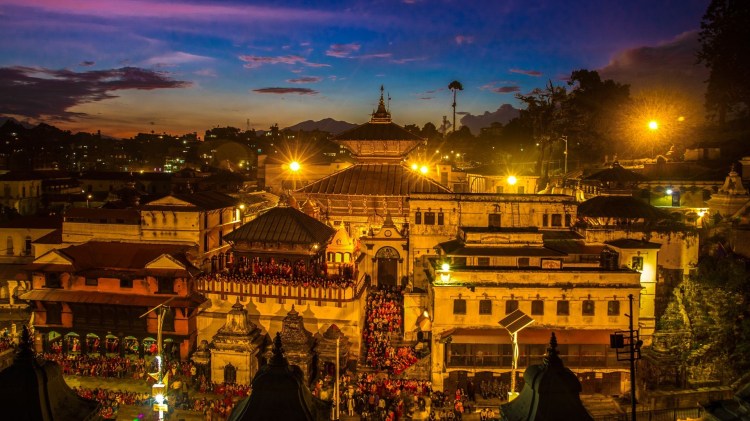
Pashupatinath Hindu temple
In the past, Tibetan Buddhist Masters including Marpa, Milarepa, Rwa Lotsava, Ras Chungpa, Dharma Swami, XIII Karmapa, XVI Karmapa and several others visited and travelled in the Kathmandu Valley. However, the largest group of Tibetans came in the 1960s.
Many settled around the Swayambhunath and Boudhanath Stupas. Many other famous Lamas known throughout the world have their Buddhist monasteries and centers in the Kathmandu Valley. The 1500-year history of funerary architecture in the valley provides some of the finest examples of stone architecture found in the subcontinent. A caitya is placed in almost all courtyards in cities like Patan. Stone inscriptions in the Kathmandu Valley are important sources for the history of Nepal.
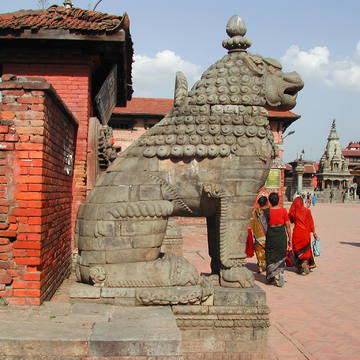
Bhaktapur, Kathmandu Valley, Nepal
© UNESCO, Francesco Bandarin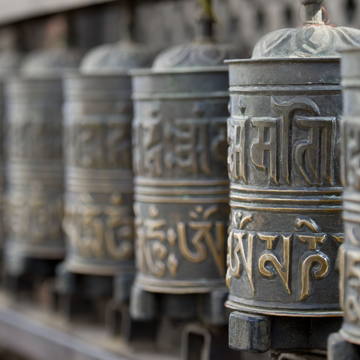
Kathmandu Valley, Nepal
© TTF, Casper Tybjerg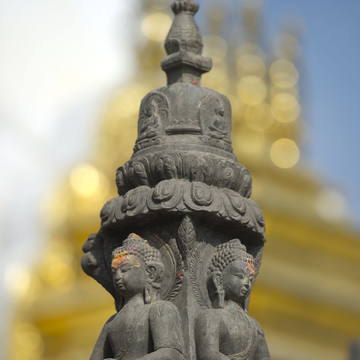
Kathmandu Valley, Nepal
© TTF, Casper Tybjerg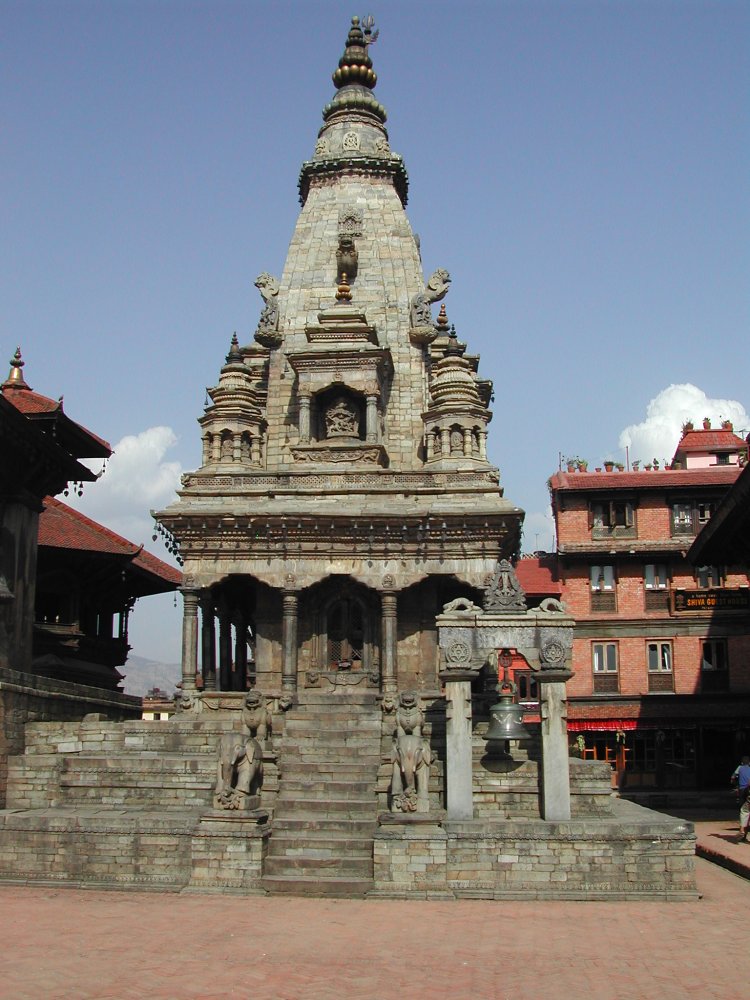
Bhaktapur, Kathmandu Valley, Nepal
© UNESCO, Author: Francesco Bandarin


Leave a Reply