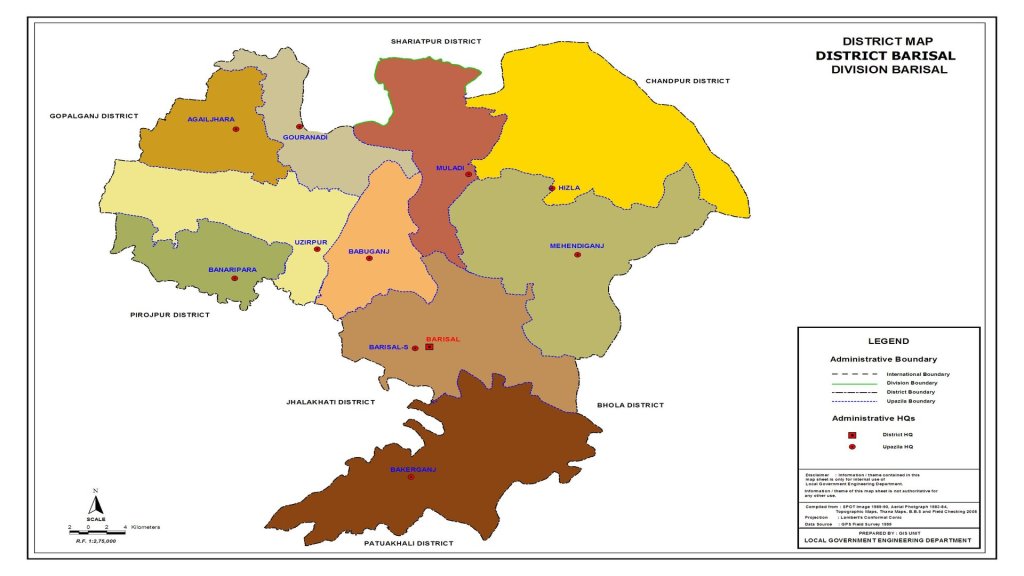
1. Establishment of Barishal: Barishal district was established at 1797.
বরিশাল জেলা সমন্ধে বারোটি আকর্ষণীয় তথ্য সম্পর্কে বাংলায় জানতে নীচের লিঙ্কটিতে ক্লিক করুন: https://iamnrdurjoy.wordpress.com/2020/12/07/top-twleve-facts-barishal-bangla/
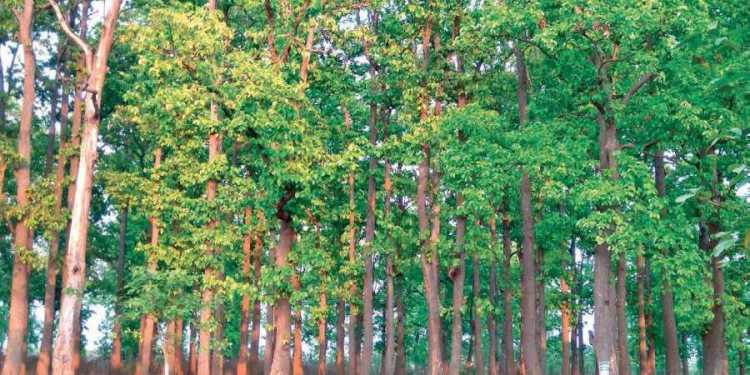
2. How the name of Barishal derives: There are many different concept about the naming of Barisal. Some people say that the name Barisal is due to the large Shorea robusta or the sal tree in the region like; Boro (Big)+Sal (Sal)).
According to some, the region was named Barishal because of the love story of the Portuguese Berry and Shelley.
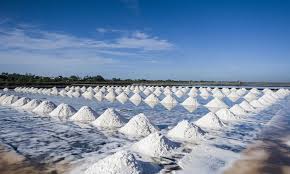
Many people think that Barisal is named for the large salt spheres of this region. Most historians believe that the Nawab of Dhaka had a large salt outpost at Girde Bondore (Great Port). The English and Portuguese merchants used to call this region ‘Barisalt’ for its large salt pans and large grains of salt. By the by, This Barisalt has changed to Barishal.
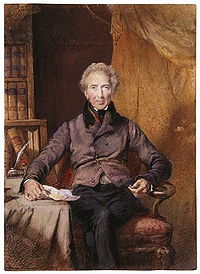
3. Past Name of Barishal: Former name of Barisal district is Bakerganj. The district was named after Aga Baker Khan, an influential zamindar of the time. On 1 May 1801, Sir John Shore moved the district headquarters to present day Barishal. Later this district came to be known as Barisal.
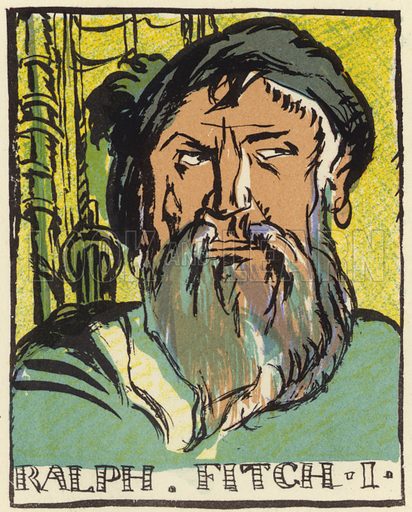
In ancient times, it was called Chandrodiwp (চন্দ্রদ্বীপ), while furing the Medieval Islamic times it was also known as Ismailpur & Bacola (বাকলা) in Europe. In 1580 a European traveler named Ralph Fitch toured the area; He mentioned this area in his journal as Bakola.
4. Area of Barishal: Barishal covers an area of 2,784.52 square km or 1,075 mile which is the 20th district in Bangladesh in area. If it were a country it would be 167th in size. Which means there are 27 independent countries in the world whose size is less than Barishal.
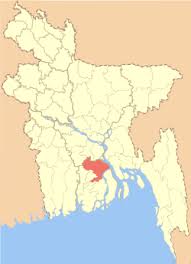
Location of Barishal within Bangladesh 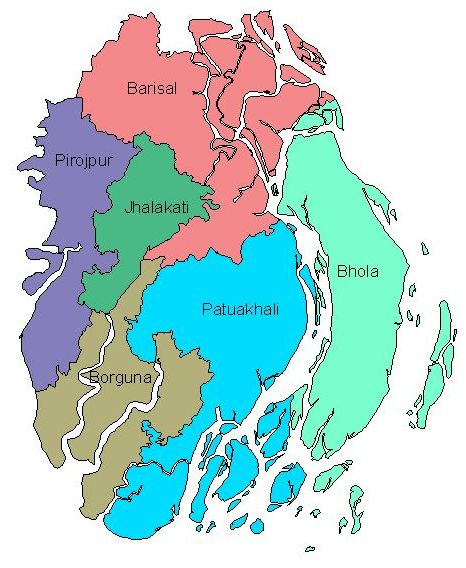
Barisal Division 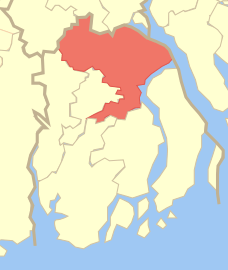
Location of Barishal within Barishal Division
5. Population of Barishal: According to National Census of 2011, Barishal has a population of about 2.324 million or 23 lakh 24 thousand which makes Barishal the 22nd district in Bangladesh in terms of population. There are 53 independent countries in the world with less population than Barishal. About 834 people live in every square kilometerof Barishal.
6. Male/Female ratio of Barishal: Male/ Female ratio of Barishal is 1:1.04. According to National Census of 2011 there are 11,37,210 male in comparison to 11,87,100 female.
7. What Barishal district is known as: The barishal district is called the “Venice of the East” or the “Venice of Bengal”and the “Paradise of Bengal”.
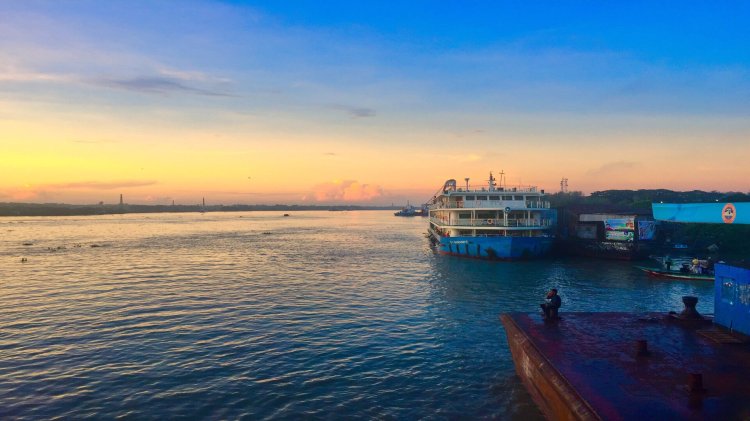
8. The name “Barisal Gun” comes from the name Barishal: “Barisal guns” is a natural phenomenon named after Barishal; it is kind of a booming sound heard near lakes and rivers which is due to seismic activity under water, first heard in this region by the British in the 19th century.
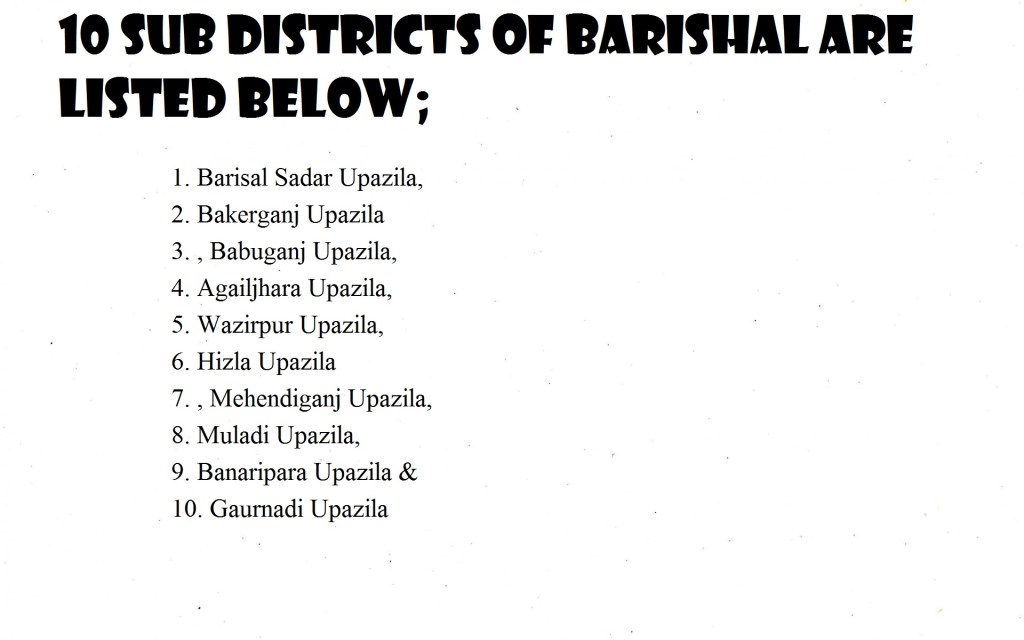
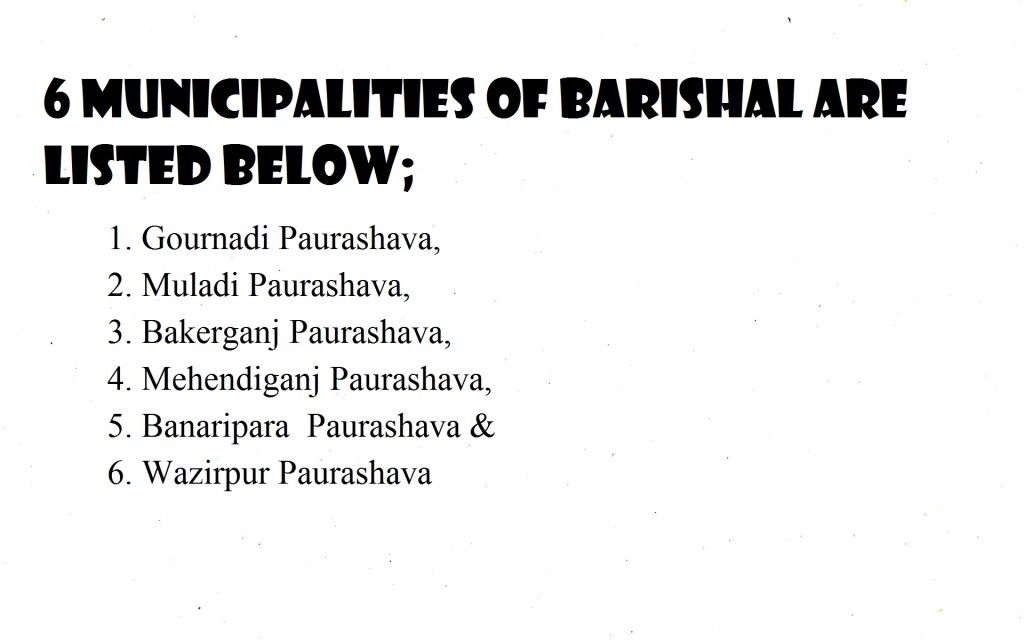
9. Number of Subdistrict, Union and Municipalities of Barishal: Barishal has 10 Subdistricts, , 6 Municipalities, Pathargata, Betagi and Barishal has 87 Unions.
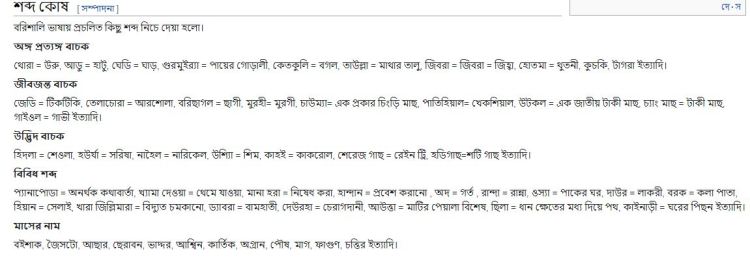
10. What the people of Barishal are known by: People of the Barishal is called “Barishailla. They have a distinctive dialect what is very popular in Bangladesh.
11. Important personalities of Barishal: Many talented people have been born in Barisal district. Among them some well-known people are well-known Bengali social worker and educationist Brajmohan Dutt (1826-1886), philanthropist and nationalist leader Ashwini Kumar Dutt (1856-1923), the great leader Sher-e-Bangla A K Fazlul Haque (1873-1962), Kusumkumari Das (1875-1948), Politician and great leader Khan Bahadur Hashem Ali Khan (1888-1962), poet Jibanananda Das (1899-1954), Self-taught philosopher, thinker and writer Arj Ali Matubbar (1900-1985), the sixth speaker of the then undivided Pakistan Parliament Abdul Jabbar Khan ( 1902-1984), one of the founding fathers of Pakistan, the first law minister of Pakistan Jogendra Nath Mandal (1904-1968), the then Prime Minister of undivided Pakistan Mohammad Ali Bogra (1909-1963), Poet Sufia Kamal (1911-1999), Bangladeshi composer, cultural activist and freedom fighter Altaf Mahmud (1933-1971), well known Bangladeshi writer, columnist and author of the language movement’s memorable song ‘Amar Bhaiyer Rakte Rangano’ Abdul Gaffar Chowdhury ( 1934-) Captain of Sector 9 during the War of Liberation Major Jalil (1942-1989) and Birshreshtha Mohiuddin Jahangir (1949-1971).
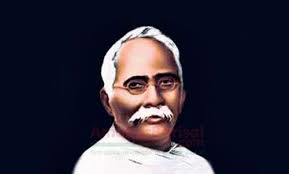
Ashwini Kumar Dutt (1856-1923) 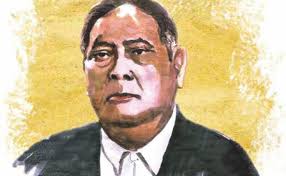
Sher-e-Bangla A K Fazlul Haque (1873-1962) 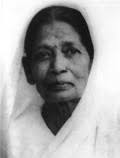
Kusumkumari Das (1875-1948) 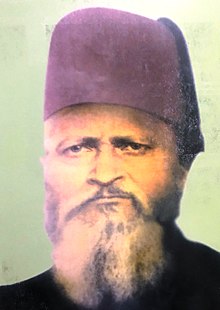
han Bahadur Hashem Ali Khan (1888-1962) 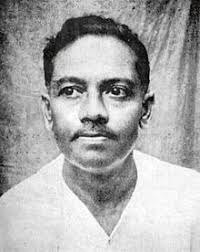
Jibanananda Das (1899-1954) 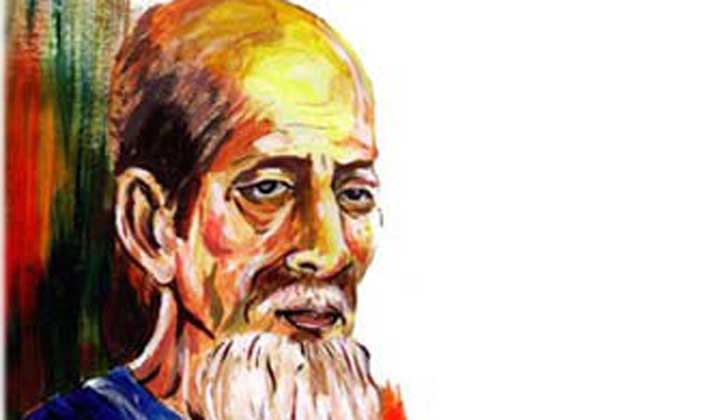
Arj Ali Matubbar (1900-1985) 
Abdul Jabbar Khan ( 1902-1984) 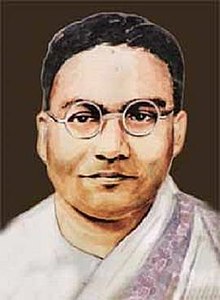
Jogendra Nath Mandal (1904-1968) 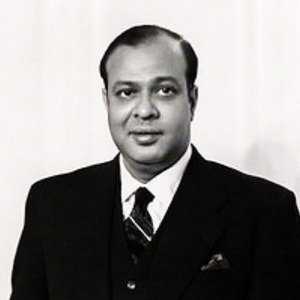
Mohammad Ali Bogra (1909-1963) 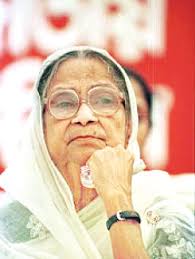
Sufia Kamal (1911-1999) 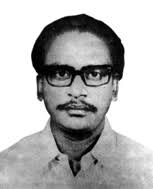
Altaf Mahmud (1933-1971) 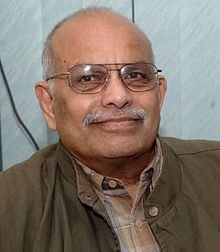
Abdul Gaffar Chowdhury ( 1934-) 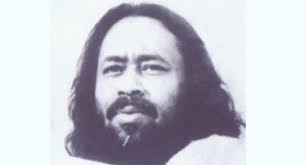
Major Jalil (1942-1989) 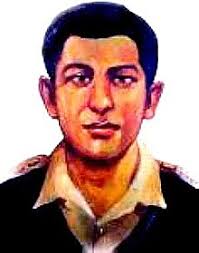
Birshreshtha Mohiuddin Jahangir (1949-1971)
| 12. Popular Foods of Barishal: Barisal is a rice producing center of Bangladesh. Balam (a kind of basmati) is the most popular rice in Barisal. It is also famous for Betel Leaf, a typical south Asian chewing item. As Barisal is surrounded by river so fish is plenty in there. A Bengali saying states, “Dhan, nadi, khal ai teen e Barisal” which translates to “paddy, river and canal are these three things that make Barisal”. |
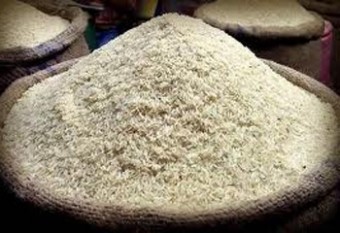
Balam (a kind of basmati) 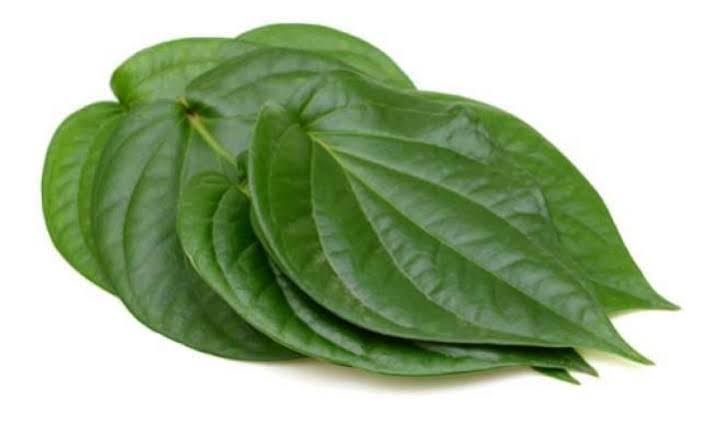
Betel Leaf 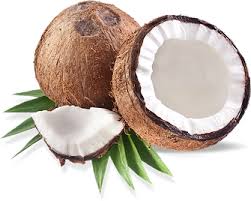
Coconut 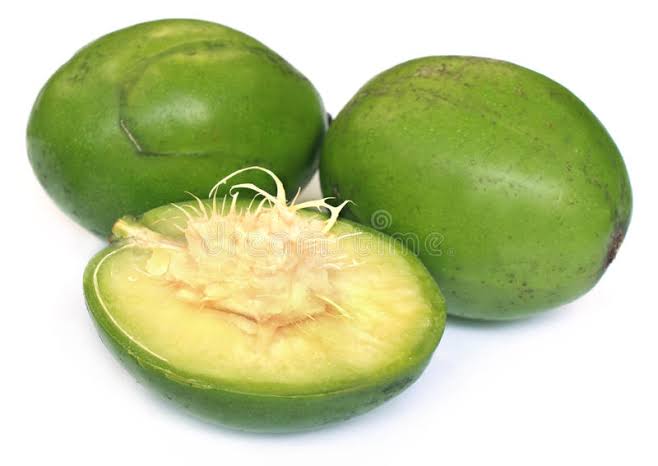
Hog plum
Coconut is a common fruit as the city is located near the coast. Barishal is also known for its hog plum. Barishal, the granary of Bengal, was once known as ‘Agricultural Manchester’. The economy of Bengal was connected with the economy of Barishal. Beautiful water-fertile land-greenly Barishal has been endowed with infinite wealth and boundless abundance since ancient times. From ancient times the fertile region of silt was excellent for agriculture and habitation. Agriculture was the main source of economy of this country.


Leave a Reply